



Energy Efficiency Evaluation of Thermal Insulation Renovation for R2-R3 Valve Equipment
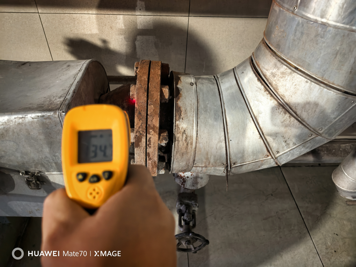
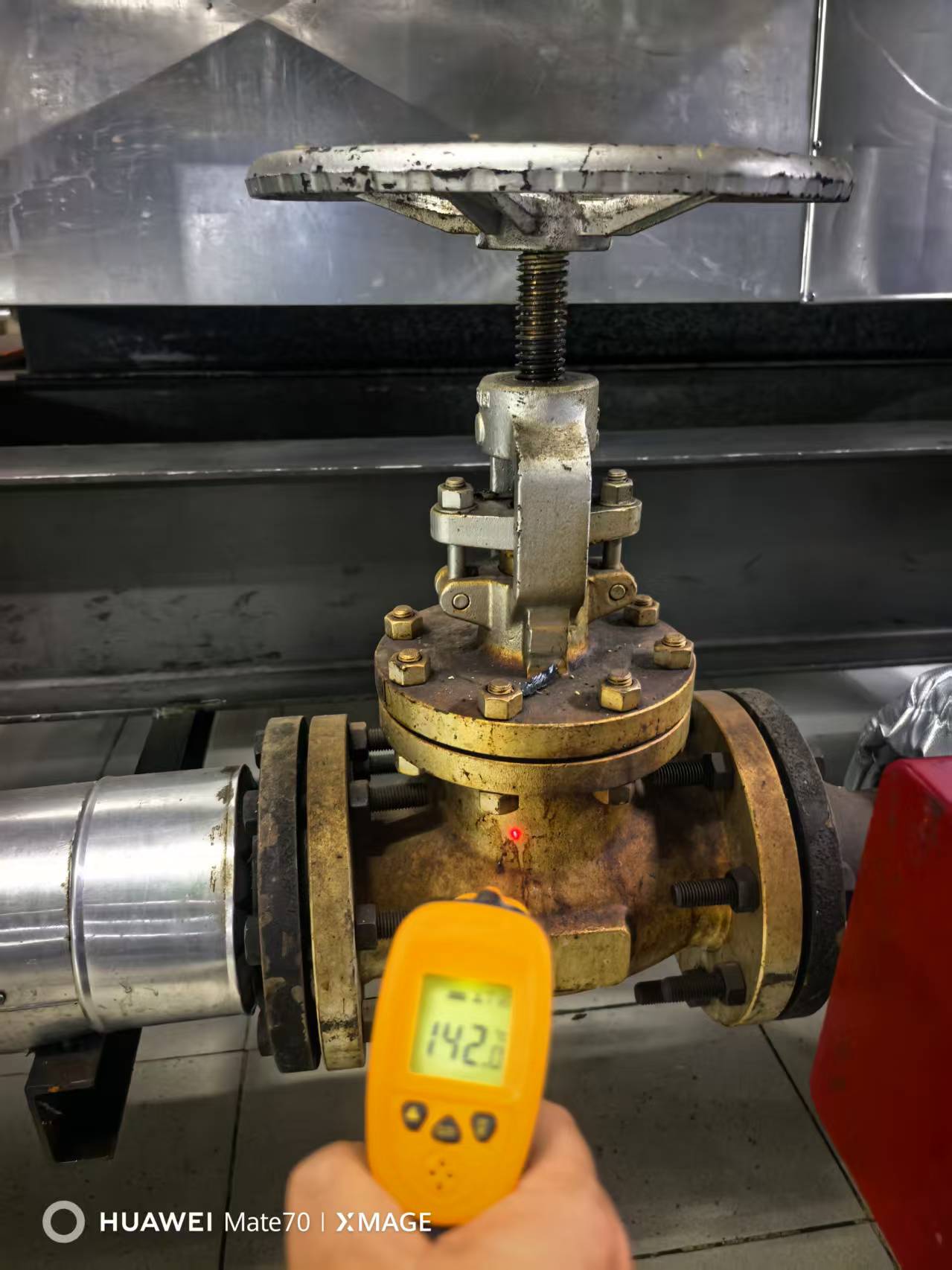
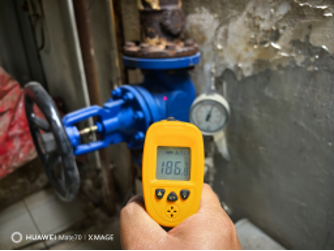
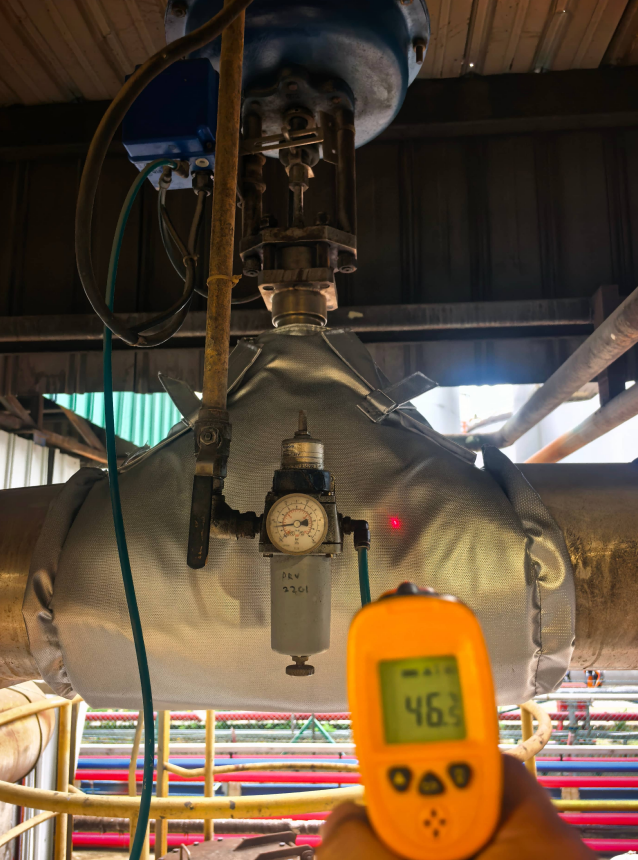
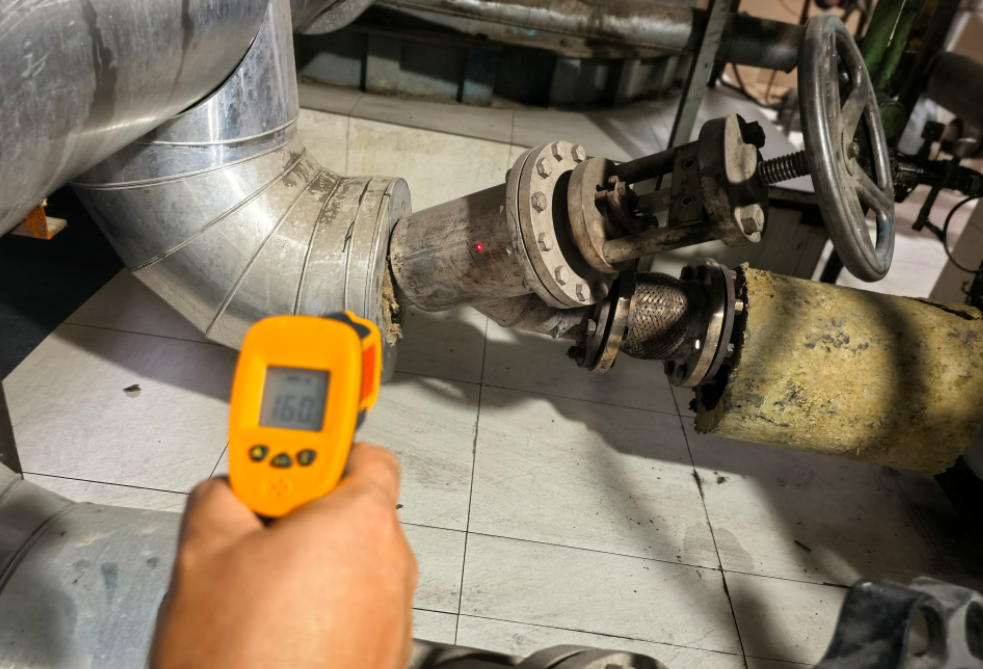
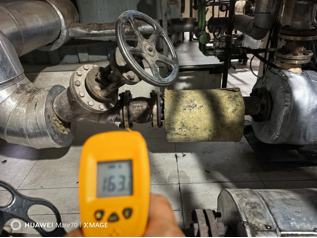
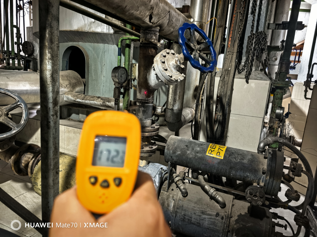
This evaluation conducts an analysis on the energy-saving benefits achieved after installing Thermal Insulation Jackets on valves and equipment. Before the renovation, the high-temperature components of valves and equipment dissipated a large amount of thermal energy through radiation and convection, resulting in ineffective energy consumption. Meanwhile, it elevated the ambient temperature of the surrounding area, which compromised the comfort of operation and the stability of equipment operation. The installed insulation layer can mitigate the temperature fluctuations of equipment, reduce thermal stress damage, and lower the failure rate as well as maintenance costs. From the perspective of return on investment, the renovation input can be recovered within a short period through energy-saving gains. It delivers both economic and environmental benefits, providing strong support for the green and low-carbon development of enterprises. Field test results show that: the indoor ambient temperature is approximately 45–60℃, and the exposed surface temperature of operating valve equipment ranges from 110℃ to 190℃. The heat loss in all cases has seriously exceeded the maximum allowable heat dissipation value specified in the national standard GB/T 8174-2008.?
Renovation Objectives?
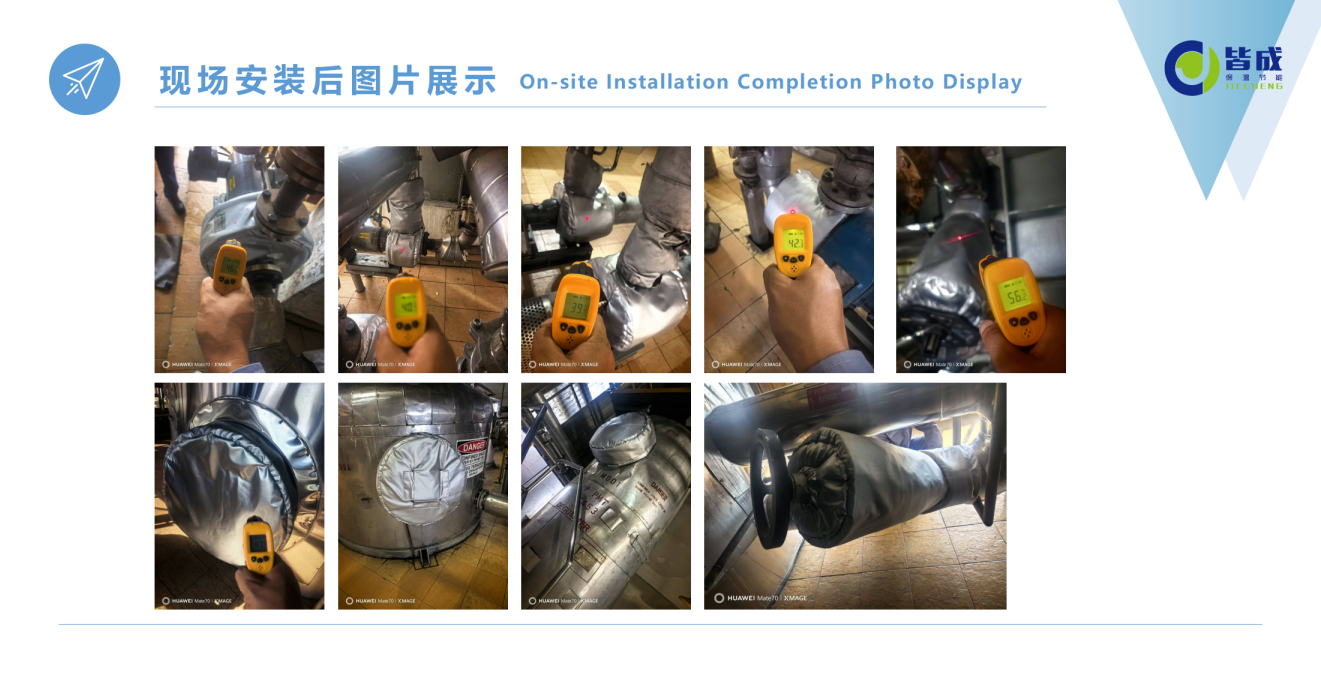
Valve Surface Preparation: Clean the exposed valve surfaces to remove oil stains, rust, dust, and other contaminants, ensuring tight contact between the insulation jackets and valve bodies. Insulation Material Selection and Customization: Select appropriate insulation materials and customize matching insulation jackets based on valve parameters including medium temperature, operating environment, and valve type and specifications. Insulation Jacket Installation: Install the customized insulation jackets on valves accurately in accordance with specification requirements, ensuring secure mounting, tight sealing, and no uncovered areas. Protection and Labeling: Add a protective layer to the exterior of insulation jackets to enhance their wear resistance, water resistance, and corrosion resistance. Meanwhile, affix valve labels on the insulation jackets, indicating information such as valve name, model, and medium for easy identification and maintenance.?
Renovation Content?
Valve Surface Preparation: Clean the exposed valve surfaces to remove oil stains, rust, dust, and other contaminants, ensuring tight contact between the insulation jackets and valve bodies. Insulation Material Selection and Customization: Select appropriate insulation materials and customize matching insulation jackets based on valve parameters including medium temperature, operating environment, and valve type and specifications. Insulation Jacket Installation: Install the customized insulation jackets on valves accurately in accordance with specification requirements, ensuring secure mounting, tight sealing, and no uncovered areas. Protection and Labeling: Add a protective layer to the exterior of insulation jackets to enhance their wear resistance, water resistance, and corrosion resistance. Meanwhile, affix valve labels on the insulation jackets, indicating information such as valve name, model, and medium for easy identification and maintenance.?