



Energy Efficiency Evaluation of Thermal Insulation Renovation for R2-R3 Valve Equipment
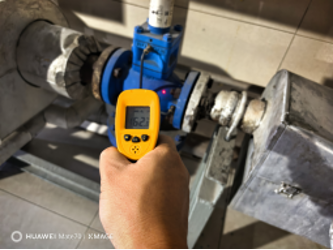
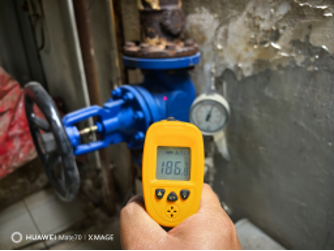
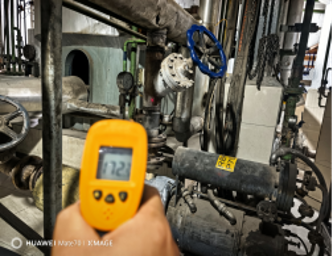
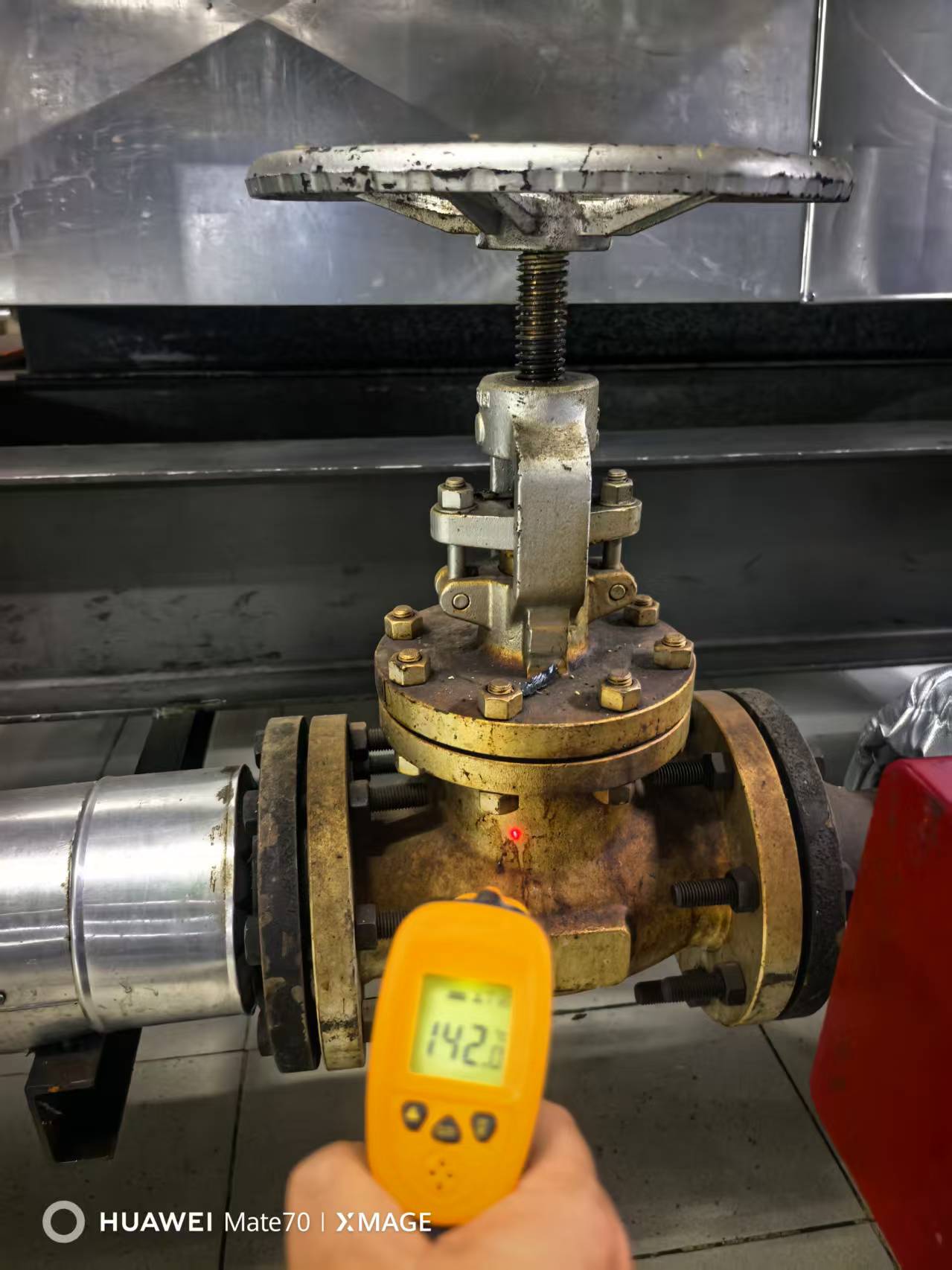
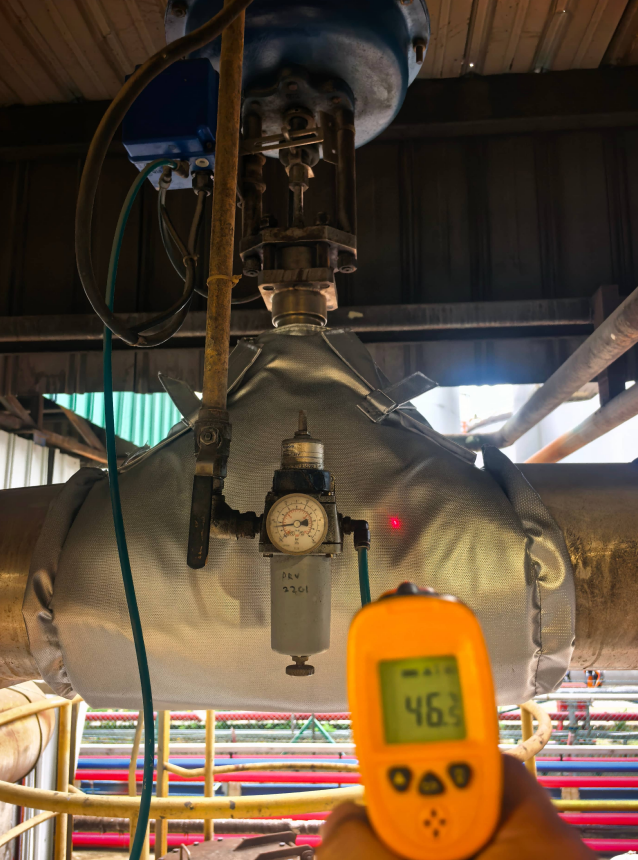
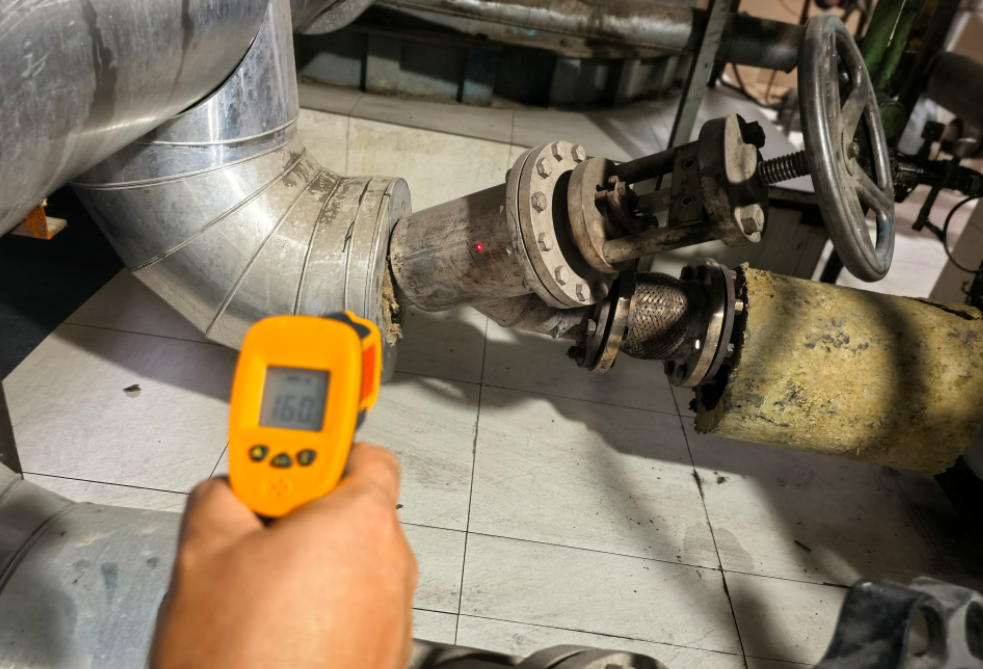
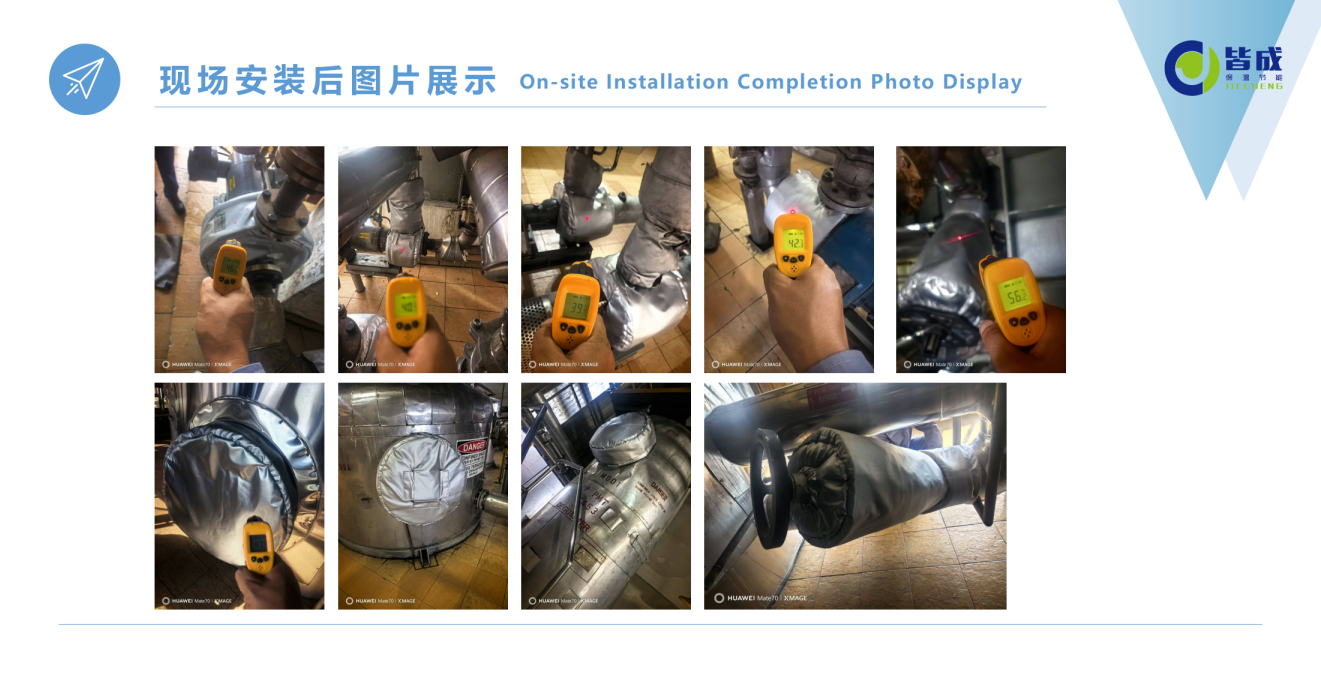
This evaluation conducts an analysis on the energy-saving benefits achieved after installing Thermal Insulation Jackets on valves and equipment. Before the renovation, the high-temperature components of valves and equipment dissipated a large amount of thermal energy through radiation and convection, resulting in ineffective energy consumption. Meanwhile, it elevated the ambient temperature of the surrounding area, which compromised the comfort of operation and the stability of equipment operation. The installed insulation layer can mitigate the temperature fluctuations of equipment, reduce thermal stress damage, and lower the failure rate as well as maintenance costs. From the perspective of return on investment, the renovation input can be recovered within a short period through energy-saving gains. It delivers both economic and environmental benefits, providing strong support for the green and low-carbon development of enterprises. Field test results show that: the indoor ambient temperature is approximately 45–60℃, and the exposed surface temperature of operating valve equipment ranges from 110℃ to 190℃. The heat loss in all cases has seriously exceeded the maximum allowable heat dissipation value specified in the national standard GB/T 8174-2008.?
For the project of equipping all batches of equipment in the R2/R3/oil press/refinery/boiler workshop with detachable insulation jackets, our company has completed the project budget estimate based on the specification parameters of the equipment matrix, the performance indicators of Insulation Materials (thermal conductivity λ ≤ 0.030W/(m·℃)) and the requirements for modular customization.The comprehensive quotation for this batch of insulation jackets is as follows: [R2: USD 7160.04], [R3: USD 10856.00], [oil press: USD 37391.73], [refinery: USD 26006.76], [boiler workshop: USD 3009.55]. This quotation includes material supply, custom processing, on-site adaptation and commissioning. From the perspective of project investment return, relying on the annual heat dissipation energy consumption reduction rate (≥ 85%) achieved by this insulation scheme, the dynamic payback period is estimated to be 8 months, which can effectively cover the initial investment and generate sustained benefits from energy cost optimization.?
| 設備類型Equipment?Type | 安裝前(無保溫套)Installation?(Before?Insulation?Jacket) | ||||
| ? | 表面溫度℃ Surface?Temperature?(°C) | 環境溫度?℃ Ambient?Temperature?(°C) | 設備表面積?A(㎡) Equipment?Surface?Area?(A,?m2) | 散熱損失?Q(kW) Heat?Dissipation?Loss?(Q,?kW) | 損失率(參考額定功率) Loss?Rate?(Refer?to?Rated?Power) |
| Y?型截止閥 Y-type?Globe?Valve | 160 | 55 | 1.3(常規?DN100?Y?型截止閥) ?(Standard?DN100?Y-type?Globe?Valve) | 1.55 | 約?13%(假設額定功率?12kW)Approximately?13%?(Assumed?Rated?Power:?12kW) |
| 設備類型Equipment?Type | 安裝后預估數值(保溫套)Predicted?Values?After?Installation?(Insulation?Jacket) | ||||
| ? | 表面溫度℃ Surface?Temperature?(°C) | 環境溫度℃ Ambient?Temperature?(°C) | 設備表面積?A(㎡) Equipment?Surface?Area?(A,?m2) | 散熱損失?Q(kW) Heat?Dissipation?Loss?(Q,?kW) | 損失率(參考額定功率) Loss?Rate?(Refer?to?Rated?Power) |
| Y?型截止閥 Y-type?Globe?Valve | 45 | 37 | 1.3(常規?DN100?Y型截止閥) (Standard?DN100?Y-type?Globe?Valve) | 0.10 | 約?0.83%(假設額定功率?12kW)Approximately?0.83%?(Assumed?Rated?Power:?12kW) |