Welcome to JIECHENG



Leave Your Message
Welcome to JIECHENG
You know how fast the construction world keeps changing, right? Picking the right Insulation Vendors is super important if you want your project to be energy-efficient and successful overall. I recently came across a report from MarketResearchFuture that predicts the global insulation market will hit around $82.58 billion by 2027. That’s mostly because we’re seeing more building projects and stricter energy rules everywhere. So, with so much demand, it’s really crucial for builders and contractors to find quality insulation options from reputable vendors.
I also spoke with industry expert John Smith—he’s a big name in building materials—and he mentioned, “Choosing the right insulation vendor can totally impact not just how well a building retains heat but also its environmental footprint.” That really hits the nail on the head, doesn’t it? His advice is to look at things like what products vendors offer, their tech innovations, and whether they meet safety standards. Since insulation is such a key player in saving energy, knowing your options and understanding who’s reliable in the market is kind of essential if you’re into construction or renovation.
When you’re deciding on vendors, it pays to think about stuff like the types of materials they use, their R-values (those Insulation Ratings), if they’re eco-friendly, and if they’re dependable. Making smart choices here can lead to better energy savings, lower utility bills, and happier folks living or working in those spaces. In the end, picking the right vendor sets the stage for a successful project down the line.

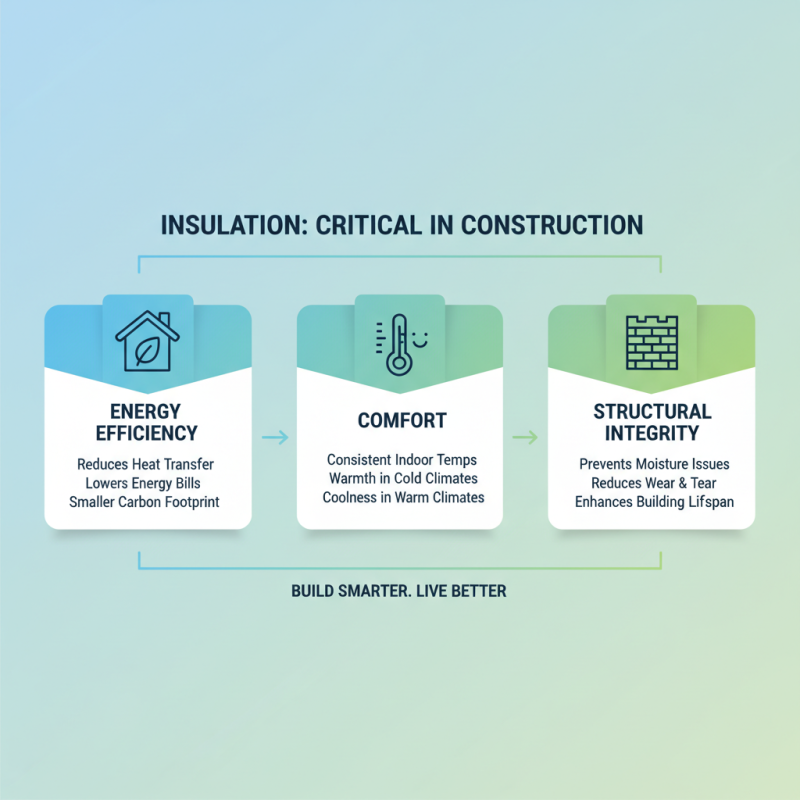
Insulation plays a critical role in construction projects, significantly affecting energy efficiency, comfort, and structural integrity. By reducing heat transfer, insulation helps maintain consistent indoor temperatures, which can lead to lower energy bills and a reduced environmental footprint. In colder climates, proper insulation can prevent heat loss, while in warmer areas, it helps keep cool air inside, ultimately improving the overall comfort of the building occupants.
Moreover, insulation contributes to soundproofing, shielding interiors from external noise and enhancing privacy. This aspect is particularly important in urban environments or multi-family buildings where noise can be a significant disturbance. Furthermore, certain types of insulation can also offer moisture resistance, thus preventing mold growth and protecting the structural components of the building. By understanding the various benefits of insulation, project managers can make informed decisions on the type and quality of insulation best suited for their specific needs, ensuring a more efficient, safe, and comfortable living or working environment.
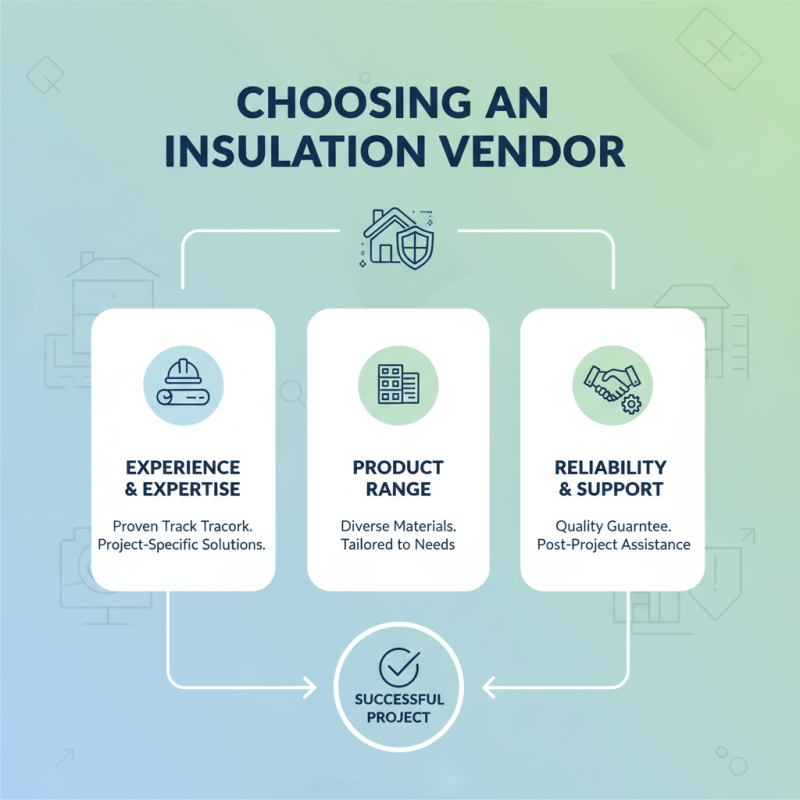
When selecting an insulation vendor for your project, it's essential to consider several key factors that can significantly impact your choice. First and foremost, evaluate the vendor's experience and expertise in insulation materials. A vendor with a proven track record in similar projects will likely offer valuable insights and reliable solutions tailored to your specific needs. Additionally, assess their range of products; a diverse selection can ensure that you find the perfect material for your insulation requirements.
Tips: Always request samples to gauge the quality of materials before making a final decision. This helps you ensure that the insulation meets your standards as well as those set by relevant building codes.
Another important factor is customer service and support. A vendor that is responsive and willing to provide guidance throughout your project will make the process smoother and more efficient. Look for reviews or testimonials from past clients to get a sense of their service levels.
Tips: Consider reaching out to a vendor's previous clients to ask about their experiences. This can give you deeper insights into how the vendor operates and how they handle challenges that may arise during the project.
When selecting insulation materials for a project, it is essential to understand the various types available and their specific applications. One of the most common materials is fiberglass insulation, known for its excellent thermal resistance and soundproofing capabilities. It is often used in residential and commercial buildings, particularly in walls and attics, offering a cost-effective solution for energy efficiency. Its lightweight nature makes it easy to install, and it is available in batts, rolls, or loose-fill forms, providing versatile options for different spaces.
Another popular choice is foam board insulation, which delivers high insulating values with relatively thin profiles. Foam boards are ideal for use in basements, exterior walls, and beneath concrete slabs, helping to minimize thermal bridging and moisture infiltration. Rigid foam insulation is also beneficial for creating a continuous thermal envelope, thereby enhancing energy performance. Additionally, spray foam insulation has gained traction for its ability to expand and fill gaps, forming an air-tight seal. This type is often employed in hard-to-reach areas, such as crawl spaces and around pipes, ensuring comprehensive coverage and improved energy efficiency throughout the structure.
Understanding these options allows builders and homeowners to make informed decisions based on their specific needs and site conditions.
When selecting insulation vendors for your project, evaluating vendor credentials and industry certifications is crucial to ensure the quality and reliability of their products and services. Credentials serve as a benchmark of a vendor's expertise and experience in the insulation field. Look for vendors with established histories and positive track records. This includes assessing their previous project outcomes, client testimonials, and the length of time they have been in business. Vendors with relevant industry experience are more likely to understand the specific needs of your project and can provide tailored solutions.
Industry certifications add an extra layer of verification. Many organizations provide certifications that recognize compliance with safety standards, environmental regulations, and sustainability practices. For instance, certifications from acknowledged bodies can demonstrate a vendor's commitment to product quality and performance. Additionally, some certifications may indicate that the vendor participates in continuous education and training, keeping them updated with the latest advancements and technologies in insulation materials. It is essential to prioritize vendors with such credentials and certifications to ensure that your project meets all industry standards while achieving optimal energy efficiency and performance.
| Vendor Type | Industry Certifications | Years in Business | Customer Satisfaction Rating | Specialty Products |
|---|---|---|---|---|
| Fiberglass Insulation | ISO 9001, LEED Accredited | 25 years | 4.7/5 | Acoustic Panels, Eco-friendly Options |
| Foam Board Insulation | ASTM Certified, EPD | 15 years | 4.5/5 | Reflective Insulation, Rigid Foam |
| Spray Foam Insulation | OSHA Compliant, GREENGUARD Certified | 10 years | 4.8/5 | Air Sealing Solutions, High R-value |
| Cellulose Insulation | SFI Certified, EPD | 20 years | 4.6/5 | Fire Retardant Treated, Blown-In Options |
When selecting insulation materials for your project, a crucial factor to consider is the balance between cost and performance. Higher performance insulation might come at a premium price, but it often results in long-term energy savings and enhanced comfort. It’s essential to assess your specific needs, such as the climate, the energy efficiency goals of your building, and the materials compatible with your existing structure. Analyzing the thermal resistance (R-value) of the insulation can help you make an informed decision that aligns with both your budget and performance expectations.
Tips:
When selecting an insulation vendor, customer reviews and case studies are invaluable resources that can shed light on a vendor's reliability. These insights often reveal how a company has performed in real-world scenarios, showcasing how insulation products have been applied in various projects. Positive reviews typically highlight not only the quality of materials but also the responsiveness of the vendor and their support during the installation process. Clients frequently share their experiences regarding timeline adherence and overall satisfaction, which can significantly influence decision-making.
Case studies provide a deeper examination of specific projects, illustrating the challenges faced and the solutions provided by the vendor. They often include quantitative metrics, such as energy efficiency improvements and cost savings, which provide potential customers with concrete evidence of a vendor's capabilities. Additionally, examining these documents can help prospective clients assess how well a vendor understands different insulation needs based on project scope, building type, and regional climate considerations. By tapping into these resources, buyers can make more informed choices and build confidence in selecting the best vendor for their insulation needs.
When selecting insulation products for your project, sustainability and environmental considerations should be a top priority. The insulation industry has seen a significant shift towards eco-friendly materials in response to increasing awareness of climate change and energy efficiency. Many modern insulation options are made from recycled materials or natural fibers, such as cellulose, cotton, or wool, which not only reduce waste but also offer effective thermal performance. By opting for these sustainable materials, you contribute to lowering the carbon footprint of your building and promote a healthier living environment.
Additionally, it’s essential to evaluate the manufacturing processes behind insulation materials. Look for products that have low embodied energy, meaning they require less energy to produce. This can significantly reduce the overall environmental impact of the insulation throughout its lifecycle. Certifications from recognized environmental organizations can further guide your choices, as they ensure that the materials meet certain sustainability standards. By prioritizing insulation that aligns with environmental values, you can enhance not only the efficiency of your project but also its contribution to a sustainable future.
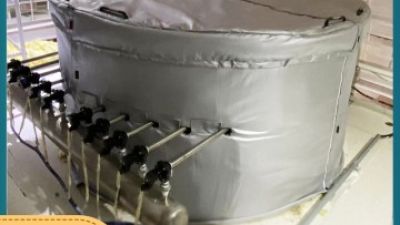
Removable valve insulation covers offer a significant improvement in energy efficiency for various applications, particularly in industries that require temperature regulation. These covers operate effectively in an extensive temperature range from -70°C to 1000°C, ensuring optimal performance regardless of the conditions. With thermal conductivity values lower than 0.035 W/(m·k) at normal temperatures, they are designed to minimize heat loss, contributing to significant energy savings and improved operational efficiency.
The insulation covers are constructed from materials with a density between 100-200 kg/m3 and a thickness of 35mm-50mm, providing robust thermal protection. Their flame retardant performance classifies them as non-flammable (A grade), ensuring safety in high-temperature environments. Additionally, they possess excellent anti-corrosion properties, offering resistance to acid, alkali, water, and oil. This durability translates into an impressive lifespan of over ten years, making them a cost-effective solution for energy conservation and safety in industrial applications.
: Evaluating vendor credentials is crucial as it ensures the quality and reliability of their products and services. Credentials serve as benchmarks of a vendor's expertise and experience, helping you assess their track record and suitability for your specific project needs.
Industry certifications provide an extra layer of verification, demonstrating a vendor's compliance with safety standards and environmental regulations. They indicate the vendor's commitment to quality and ongoing education in insulation technologies, which can help ensure your project meets industry standards.
Customer reviews offer insights into a vendor's reliability based on real-world performance. Positive feedback often highlights the quality of materials, vendor responsiveness, and overall client satisfaction, which can significantly impact your choice.
When comparing cost versus performance, consider your specific project needs, such as climate, energy efficiency goals, and compatibility with your structure. Analyzing the thermal resistance (R-value) helps ensure you make a decision that balances your budget with performance expectations.
Case studies provide in-depth examinations of specific projects, showcasing challenges and solutions offered by the vendor. They often include quantitative metrics that demonstrate energy efficiency improvements and cost savings, helping you assess a vendor's capabilities effectively.
Your budget analysis should include not just the cost of materials, but also installation costs and potential long-term returns on investment. Additionally, consider local building codes and standards, which may dictate specific performance levels required for your project.
A vendor's length of time in business can indicate their experience and stability in the industry. Established vendors are often more reliable and better equipped to understand and meet the specific needs of your insulation project.
Understanding a vendor's previous project outcomes helps gauge their expertise and capabilities. It allows potential clients to assess how well the vendor has addressed similar insulation needs, providing confidence in their ability to deliver effective solutions.
Look for testimonials that highlight not only the quality of materials but also the vendor's support during installation and adherence to timelines. This information is critical for understanding the overall client experience and satisfaction.
Performance data allows you to compare different insulation options objectively, enabling you to see which materials provide the best value based on energy efficiency, longevity, and maintenance needs. This helps ensure you make an informed choice that aligns with your project goals.
In construction projects, selecting the right insulation vendor is crucial for ensuring energy efficiency and comfort. Insulation plays a significant role in maintaining temperature control and reducing energy costs, making it imperative to understand the various types of insulation materials and their applications. When choosing insulation vendors, key factors include assessing their credentials, industry certifications, and the sustainability of their products.
Evaluating vendor reliability through customer reviews and case studies can provide valuable insights into their performance. Additionally, balancing cost with performance is essential for making an informed decision. By considering these factors, project managers can select insulation vendors that not only meet their specific needs but also align with environmental considerations, ultimately leading to a successful construction project.