Welcome to JIECHENG



Leave Your Message
Welcome to JIECHENG
When it comes to building and trying to make things more energy-efficient, Heat Rated Insulation really makes a big difference. You know, with everyone becoming more conscious about saving energy, there have been some pretty cool innovations in insulation materials lately. A report from the Insulation Institute even says that good insulation can boost energy efficiency by up to 30%. That’s a huge deal these days!
Dr. Emily Hartman from Thermal Solutions — she’s kind of a big deal in this field — points out, 'Proper insulation not only makes your space more comfortable but can also cut down your energy bills quite a bit.' It’s a reminder how important it is to pick the right materials. Still, a lot of buildings out there skip over the best insulation practices, which just leads to unnecessary heat escaping — kind of a missed opportunity.
Focusing on Heat Rated Insulation helps keep buildings warm or cool in the right ways, so they don’t waste energy. But here’s the thing: some projects don’t pay enough attention to the specific R-values they need for different climates. Missing those details can mean the insulation doesn’t do its job as well as it should. As we move forward, it’s super important to fill these knowledge gaps so we can build a more sustainable future. Understanding how insulation works is key, but honestly, there’s still a lot to learn and share about it — more education and awareness wouldn’t hurt."
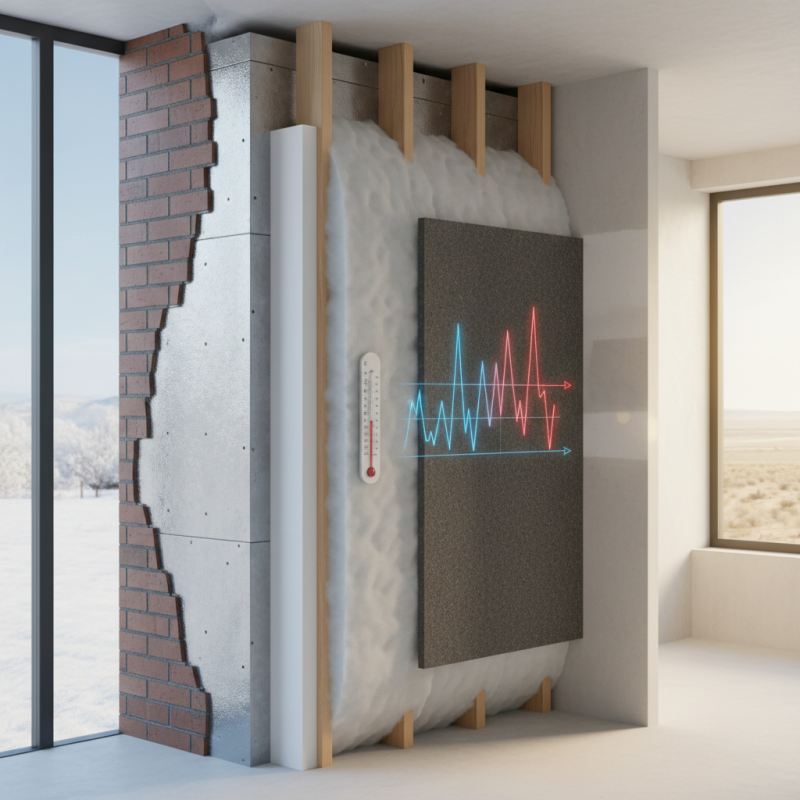
Understanding thermal performance and Insulation Ratings is essential for creating energy-efficient spaces. Thermal performance refers to how well a material resists heat transfer. High-quality insulation keeps homes warm in winter and cool in summer. A good understanding of insulation ratings helps consumers make informed choices.
When looking at insulation, R-value is crucial. It measures the material's resistance to heat flow. Higher R-values indicate better insulation. However, other factors are often overlooked. For example, air leaks can significantly reduce a material's effectiveness. Even the best insulation won't perform well if air easily flows through gaps. Regular inspections can help identify these issues.
Many insulation materials vary in thermal performance. Some perform well in hot climates, while others are more suited for cold environments. It’s worth considering your local climate when selecting insulation. Moreover, improper installation can hamper performance. This reminds us that even the best product can fail if not applied correctly. Addressing these complexities ensures optimal thermal performance.
| Insulation Type | Thermal Resistance (R-Value) | Temperature Rating | Application |
|---|---|---|---|
| Fiberglass Insulation | R-11 to R-38 | Up to 450°F | Walls, Ceilings, Roofs |
| Foam Board Insulation | R-5 to R-10 | Up to 200°F | Basements, Foundations |
| Mineral Wool Insulation | R-13 to R-38 | Up to 1200°F | Fireplaces, Industrial Applications |
| Spray Foam Insulation | R-6 to R-7 per inch | Up to 200°F | Attics, Crawl Spaces |
| Cellulose Insulation | R-12 to R-60 | Up to 350°F | Walls, Attics |
When it comes to heat rated insulation, several factors greatly influence its effectiveness. One key component is the R-value, a measure of thermal resistance. A higher R-value indicates better insulation. According to the U.S. Department of Energy, the recommended R-value for attics in colder climates is R-49, while in warmer areas, it drops to around R-38.
The installation process also plays a critical role. Proper fitting prevents thermal bridging. Gaps allow heat to escape, undermining insulation efforts. A report from the National Renewable Energy Laboratory revealed significant heat loss can occur through improperly installed insulation, reducing its efficiency by up to 50%. Inadequate sealing adds to the problem, leading to drafts that can decrease comfort levels.
Material choice impacts thermal performance as well. Common insulation materials include fiberglass, foam, and cellulose. Each has unique properties affecting heat retention. Studies show that spray foam insulation offers superior air sealing properties and can deliver an R-value of R-6 to R-7 per inch. However, the price tag can be high, prompting a need for careful consideration of budget versus long-term savings. Choosing the right insulation requires reflection on various elements beyond just cost.
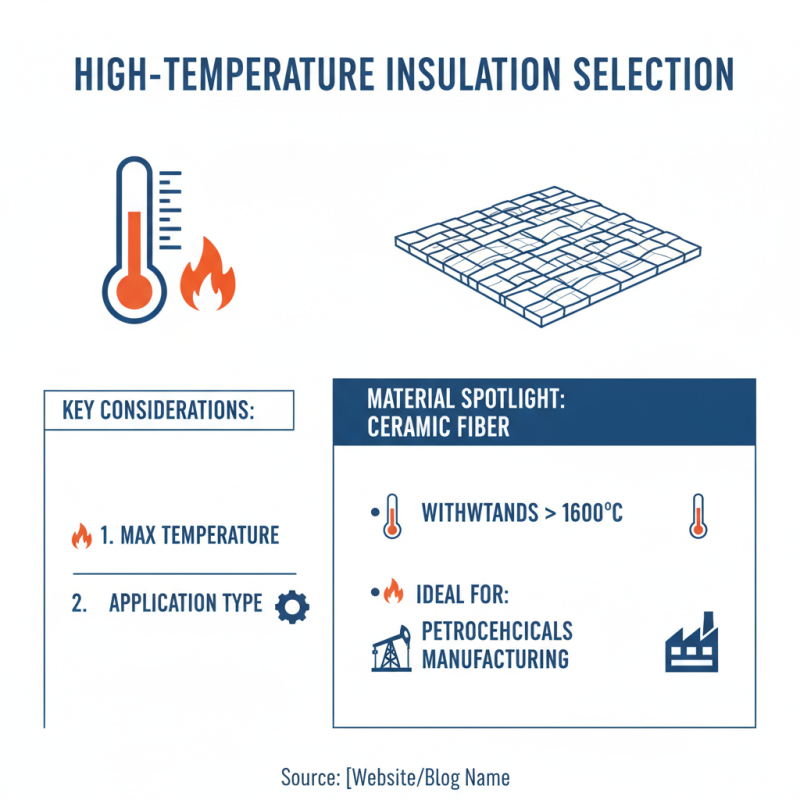
When selecting insulation materials for high-temperature applications, it is essential to consider several factors. Various materials perform differently under extreme heat. For instance, ceramic fiber insulation can withstand temperatures exceeding 1,600 degrees Celsius. This makes it suitable for industries like petrochemicals and manufacturing.
Mineral wool is another effective option. It offers a thermal resistance of R-15 to R-23. However, it is essential to ensure its integrity at elevated temperatures. Some reports indicate that mineral wool can lose its effectiveness when exposed to sustained heat. Using it inappropriately may lead to energy losses, which can significantly impact operational efficiency.
Silica aerogel has emerged as a game-changer in thermal insulation. It provides low thermal conductivity, as low as 0.013 W/mK. This efficiency is vital in situations where space and weight are limitations. Yet, aerogel can be brittle. Proper handling and installation are crucial to maintaining its performance. It's a reminder that even advanced materials need careful consideration to achieve optimal thermal performance.
When it comes to thermal insulation, installation techniques are crucial. Proper fitting of insulation material ensures that air leaks are minimized. Check for gaps around windows, doors, and outlets where heat loss often occurs. Use tape or sealant to secure edges. This may seem obvious, but many overlook it.
Installing insulation in layers can improve performance. Each layer acts as an additional barrier against heat transfer. Ensure that you stagger the seams between layers to reduce thermal bridging. In attics, remember to leave air channels around ventilation. This allows airflow and prevents moisture buildup. Nevertheless, some may find it tedious to achieve precision during installation.
Always consider the insulation's R-value. The higher the R-value, the better the thermal resistance. However, it's easy to assume that higher numbers automatically translate to savings. In reality, factors like climate and building design play significant roles too. Evaluate your specific situation before overcommitting to high R-values solely based on numbers. Insulation should be tailored, not a one-size-fits-all solution.
When selecting heat-rated insulation, many make common mistakes. One of the most frequent errors is underestimating the insulation's R-value. The R-value indicates thermal resistance. A lower R-value can lead to energy losses, affecting heating and cooling costs. According to the U.S. Department of Energy, upgrading insulation can save homeowners about 15% on their energy bills.
Another mistake is neglecting moisture management. Heat-rated insulation should resist moisture, especially in humid climates. Failing to account for moisture can lead to mold growth and structural damage. Consider using materials with built-in moisture barriers to enhance performance.
Tips for optimal selection include assessing your local climate. This is crucial for determining the best insulation type. Consider hiring a professional for a comprehensive energy audit. This can help identify specific needs and avoid costly oversights. Lastly, always match insulation with your home's specific design. Every detail counts towards achieving maximum energy efficiency.
Proper maintenance of thermal insulation is critical for ensuring its longevity and optimal performance. Regular inspections can catch early signs of wear or damage. According to research from the U.S. Department of Energy, well-maintained insulation can reduce heating and cooling costs by up to 30%. This highlights the importance of monitoring insulation conditions over time.
Humidity is a key factor in insulation longevity. Excess moisture can degrade insulation materials, leading to inefficiency. Ensuring proper ventilation in areas with insulation is crucial. Consider using vapor barriers in high-humidity spaces to protect insulation from moisture intrusion. It’s essential to address leaks and seal gaps promptly to maintain thermal integrity.
Additionally, improper installation can lead to performance issues. Gaps or compressions in insulation can reduce effectiveness by up to 50%. Regular assessments and adjustments can prevent these pitfalls. From time to time, it's worth reevaluating your insulation needs as energy guidelines evolve. Remember, maintaining insulation is an ongoing process. Regular upkeep ensures you maximize both energy savings and comfort.
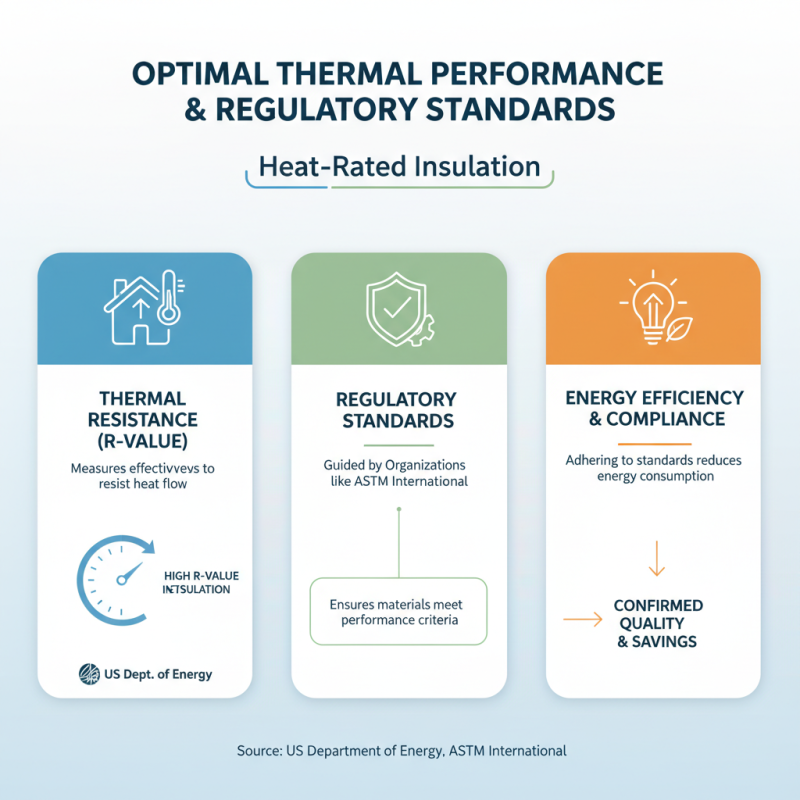
Achieving optimal thermal performance with heat rated insulation requires adhering to regulatory standards. Insulation products are often evaluated based on their thermal resistance, measured by R-values. According to the U.S. Department of Energy, the R-value indicates the effectiveness of insulation in resisting heat flow. Higher R-values mean better insulation. Standards set by organizations like ASTM International guide manufacturers. Compliance ensures that insulation materials meet performance criteria for energy efficiency.
When selecting heat rated insulation, check for certifications. Look for compliance with the International Organization for Standardization (ISO) and Underwriters Laboratories (UL). These certifications indicate a level of quality and safety. Inadequate insulation can lead to energy loss, impacting both comfort and bills. A study from the American Council for an Energy-Efficient Economy emphasizes the importance of proper installation. Misalignment can diminish effectiveness, even if the right material is used.
Tips for optimal performance include choosing products with high R-values suitable for your climate. Additionally, consider using air barriers to complement insulation efforts. Installing insulation correctly is crucial. Skimping on installation can lead to significant energy waste. Always consult the latest guidelines and standards to ensure compliance. An informed choice can lead to sustainable energy savings and improved indoor comfort.
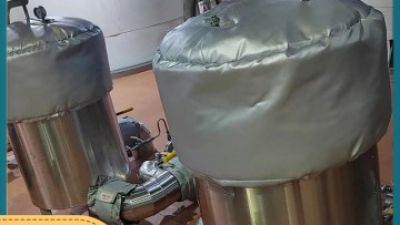
Maximizing Efficiency and Comfort with Removable Insulation Valve Covers involves understanding the essential features of these innovative products. The effectiveness of removable insulation valve covers can be attributed to their outstanding thermal properties, which allow them to maintain a temperature range from -70°C to 1000°C. The thermal conductivity of less than 0.035 W/(m·K) at normal temperature ensures minimal heat loss, making them ideal for energy conservation in industrial applications.
In addition to their thermal efficiency, these valve covers possess remarkable durability, with a material density ranging from 100 to 200 kg/m3. Designed with 35mm to 50mm thickness, they offer significant resistance to extreme conditions. Their flame retardant performance is rated as A-grade non-flammable, providing an essential safety feature in environments exposed to high temperatures. Furthermore, the anti-corrosion properties of these covers, which include acid and alkali resistance, as well as resistance to water and oil, enhance their longevity. With a lifespan exceeding ten years, these removable insulation valve covers are an investment in efficiency and comfort that organizations can rely on for long-term operational success.
Industry reports highlight the increasing demand for insulated components in various sectors, particularly in energy-intensive industries. The implementation of high-quality insulation solutions like removable valve covers not only improves energy efficiency but also ensures a safer working environment for employees. The innovative design and robust materials used in these covers underline their role as essential components in modern operational strategies aimed at reducing costs while optimizing productivity.
: Articles aim to inform, entertain, or persuade readers. Clarity is key to engaging the audience.
Regular practice is essential. Read widely and seek feedback. Reflection on your work can reveal areas for growth.
Think about the audience's interests. Relevance and originality can enhance your article's appeal.
Research adds credibility. Well-researched points make your article more convincing. Avoid assumptions without evidence.
Personal stories can resonate with readers. However, ensure they relate to the main topic effectively.
Watch out for grammatical errors and lack of structure. Failing to edit can lead to unclear messages.
Use anecdotes or statistics. Visuals, like images, can break up text and hold attention.
A strong conclusion reinforces the main points. However, it doesn’t always need to summarize everything.
The title is your first impression. A catchy title draws readers in and sets expectations.
Constructive criticism highlights strengths and weaknesses. It leads to better revisions and overall improvement.
Heat Rated Insulation is crucial for ensuring optimal thermal performance in various high-temperature applications. Understanding thermal performance and insulation ratings is the first step in selecting appropriate materials. Several factors influence the effectiveness of Heat Rated Insulation, including the type of material used, thickness, and environmental conditions.
Different types of insulation materials, such as mineral wool and fiberglass, are suited for high-temperature environments. Proper installation techniques are essential to maximize performance, while avoiding common mistakes can prevent inefficiencies. Regular maintenance is also important for the longevity of the insulation system. Additionally, adherence to regulatory standards and certifications ensures that the insulation meets safety and performance requirements, ultimately contributing to effective thermal management.