Welcome to JIECHENG



Leave Your Message
Welcome to JIECHENG
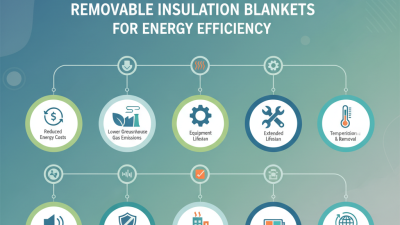
In today’s industrial world, making sure you're energy-efficient is more important than ever. Did you know that according to the U.S. Department of Energy, industrial facilities could save over 25 billion bucks each year just by optimizing their insulation? Crazy, right? One pretty effective trick is using Removable Insulation Blankets. These things are great because they’re flexible and easy to access—something that traditional insulation can’t really compete with. By using them, companies can cut down on heat loss big time and boost their process efficiency.
But here’s the thing—many folks don’t realize just how powerful these blankets can be. Sometimes, facilities either overlook them or just don’t have the right strategies to implement them properly. If not used right, the potential energy savings can be pretty minimal, and honestly, resources might just go to waste. Recent data even shows that about 30% of Industrial Insulation is either poorly installed or damaged—talk about a missed opportunity, right?
On the flip side, when you apply Removable Insulation Blankets correctly—especially when replacing rigid insulation temporarily—you can see some pretty impressive results. Some industries have reported savings of up to 20%! That said, it’s super important to keep an eye on these blankets over time. Maintenance checks often reveal unexpected wear and tear, which can seriously impact how well they work. So, staying proactive and vigilant is the key to really getting the most out of these blankets and making sure those energy savings add up.
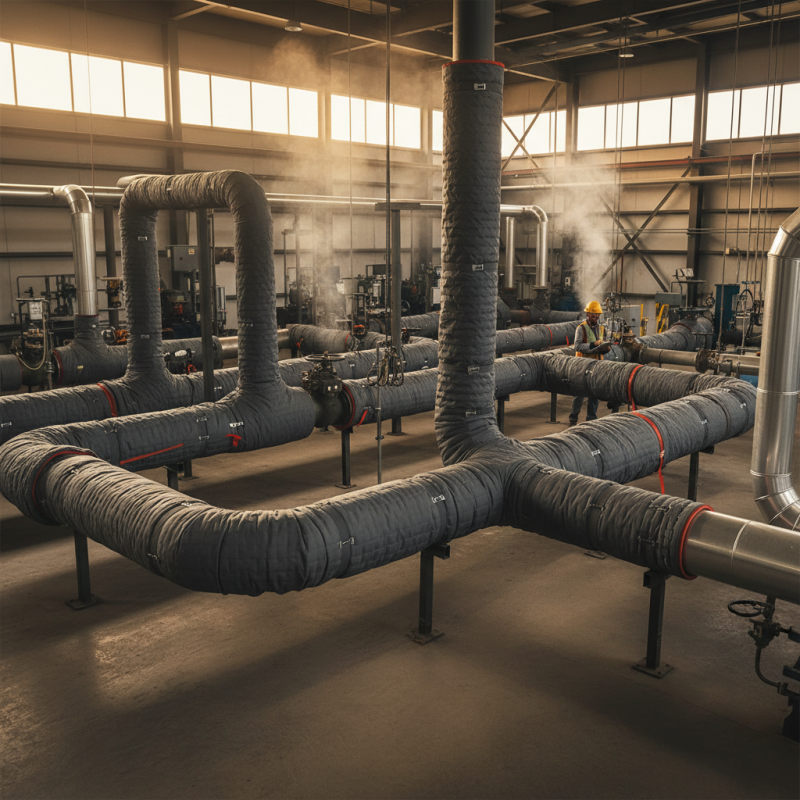
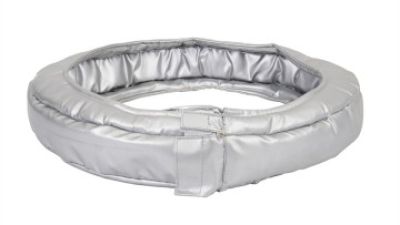
Removable insulation blankets serve as a practical solution for improving energy efficiency. They are specifically designed to wrap around various equipment or surfaces, significantly reducing heat loss. The flexibility of these blankets allows for easy installation and removal, making them ideal for seasonal use. Homeowners often overlook such options, considering them too advanced or unnecessary. However, their effectiveness in maintaining temperatures can lead to considerable savings on energy bills.
Understanding the benefits of removable insulation blankets is crucial. They help maintain a stable temperature during extreme weather. This is especially valuable for pipes or tanksthat are sensitive to temperature changes. Users may sometimes find it challenging to determine the correct size or thickness for their needs. Mistakes in these areas can compromise Insulation Performance.Collecting more information before purchasing can save time and effort.
These blankets also provide sound insulation, making environments quieter. Using them in noisy areas can enhance comfort levels. However, many people might not realize how crucial proper placement is. An uneven installation could lead to gaps, diminishing their overall benefit. Seeking expert advice may help in achieving a more effective setup.
Choosing the right type of removable insulation blanket is crucial for maximizing efficiency. Consider the material used in the blanket. Fiberglass and foam options can provide different levels of insulation. Fiberglass is lightweight, while foam may offer better sound reduction. Think about the application too. Will it insulate pipes, tanks, or HVAC systems?
Pay attention to the sizing of the blankets. A well-fitting cover is essential. Gaps can lead to heat loss. Measure carefully before purchasing. Remember, it’s okay if it doesn’t fit perfectly the first time. Adjustments can be made later. It’s part of the learning process.
Take note of the blanket's ease of installation. Some designs are user-friendly, while others might require additional tools. Think about your skill level and comfort with DIY tasks. Don't hesitate to consult installation guides. They can be quite helpful. Reflect on what works best for your specific needs. Finding the right removable insulation blanket can lead to improved energy efficiency and comfort.
Installing removable insulation blankets can be a game changer for energy efficiency. Begin by gathering your tools. You'll need scissors, measuring tape, and some safety gloves. Carefully measure the area where you plan to apply the insulation. Precision is key here. An incorrect size means a poor fit.
Next, prepare the surface. Clean it thoroughly to ensure proper adhesion. If the surface is rough, consider smoothing it out. Place the Removable Pipe Insulation Blankets gently over the area. Use the adhesive strips provided to secure the blanket in place. Be careful not to rush through this step. A secure fit is crucial for maximizing insulation benefits.
After applying the blankets, inspect your installation closely. Are there gaps? Fix them promptly. Even small openings can lead to energy loss. Take a moment to reflect on this process. Perhaps you needed a bit more practice for a flawless installation. This experience always has room for improvement.
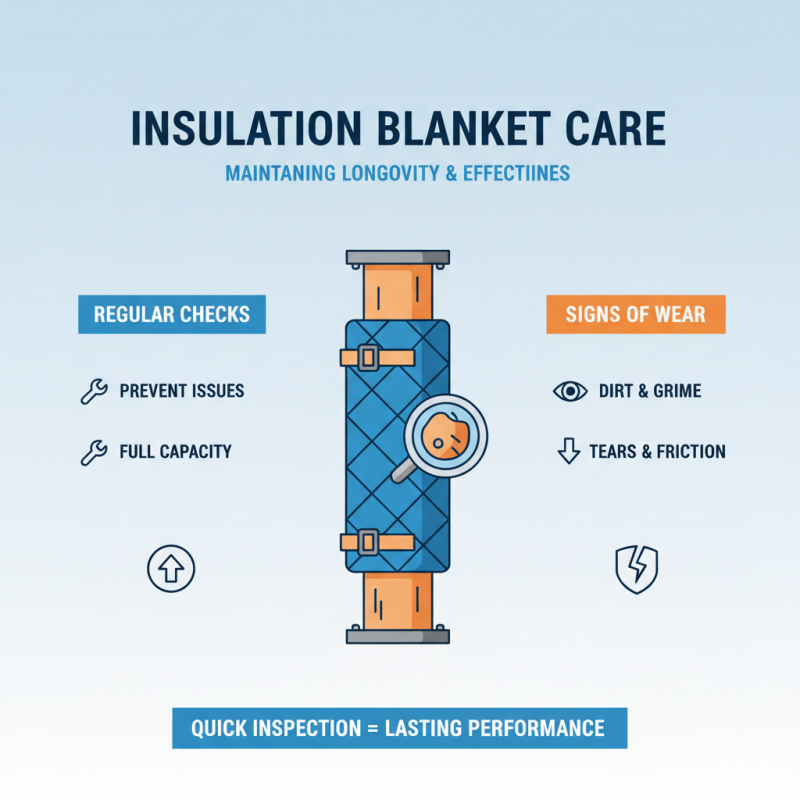
Maintaining removable insulation blankets is essential for their longevity and effectiveness. Regular checks will keep them working at full capacity. You may notice some dirt or wear over time. It's important not to ignore these signs. A quick inspection can prevent larger issues later.
Cleaning your Removable Thermal Insulation Blankets is straightforward. Start by removing any loose dirt. Shake them out or use a soft brush. For deeper cleanings, a damp cloth will do the trick. Avoid harsh chemicals. They may damage the material. If stains persist, check care instructions. Sometimes, simple soap and water work just fine.
Storage is equally crucial. When not in use, make sure the blankets are completely dry. This prevents mold or mildew growth. Fold them neatly and keep them in a cool, dry place. Keeping an eye on how they're stored will help maintain their integrity. It’s easy to overlook details, but proper care can extend the life of your Removable Thermal Insulation Blankets.
Using removable insulation blankets can greatly enhance energy efficiency in various settings. They are especially effective in reducing heat loss during colder months. Proper installation is crucial. Make sure the blanket fits snugly around the surface to avoid any gaps. This ensures a proper seal, minimizing energy leakage.
Location matters when placing these insulation blankets. High-traffic areas can lead to wear and tear. Regularly check for any signs of damage. A frayed edge could compromise efficiency. Ensure the blankets are easy to remove and reapply for maintenance. Cleaning them regularly also helps maintain their insulating properties.
Consider the environmental conditions around your space. If humidity is high, moisture may affect insulation performance. It can lead to mold growth, which is not desirable. Evaluate your heating and cooling patterns. Sometimes, improper usage of blankets can lead to overheating or underheating. Understanding your specific needs is vital for optimal energy efficiency.
When using removable insulation blankets, many overlook key practices that can hinder their effectiveness. One common mistake is failing to secure the blankets properly. Loose blankets can shift, exposing areas to heat loss. Ensure that all ties and fastenings are tight. Regularly check the placement during use. A simple adjustment can make a big difference.
Another frequent oversight is neglecting maintenance. Dirt and dust can accumulate on the insulation surface. This buildup reduces thermal performance. Clean the blankets regularly using a soft brush or damp cloth. Avoid harsh chemicals; they may damage the material.
Some people forget to remove blankets when not needed. Leaving insulation in place too long may lead to trapped moisture. This can promote mold growth and degrade the material. Always evaluate the environment before application. Implementing these practical tips will enhance your experience with Removable Insulation Blankets Industrial applications.
| Common Mistakes | Description | Effect on Insulation | Solution |
|---|---|---|---|
| Improper Measurement | Not measuring the area accurately before installation. | Can lead to gaps in insulation coverage. | Always double-check measurements before purchasing insulation blankets. |
| Incorrect Placement | Not following recommended placement guidelines. | Reduces effectiveness of insulation. | Refer to installation guides specific to your insulation type. |
| Ignoring Maintenance | Neglecting periodic checks and cleaning. | Can lead to reduced insulation performance over time. | Schedule regular inspections and clean as necessary. |
| Forgetting Airflow | Installing without considering airflow and ventilation. | May trap moisture leading to mold growth. | Ensure adequate airflow around insulation blankets. |
| Not Sealing Gaps | Failing to seal gaps and seams properly. | Results in energy loss and reduced efficiency. | Use appropriate tape or sealant to secure all seams. |
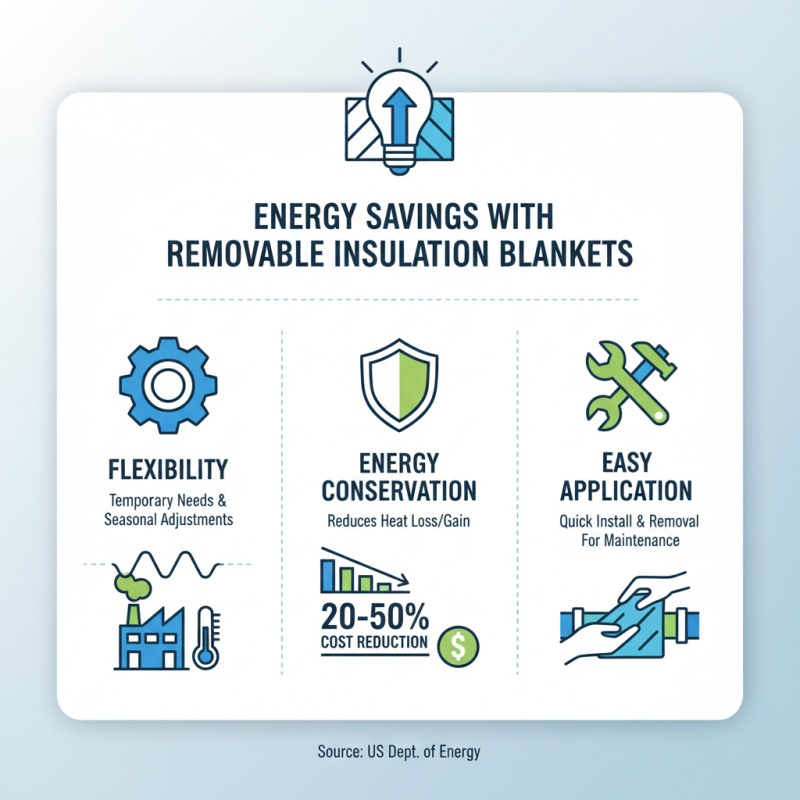
Insulation is crucial for conserving energy. In various applications, different solutions exist. Removable insulation blankets offer flexibility for temporary needs. They can be applied in facilities requiring seasonal adjustments. According to the U.S. Department of Energy, effective insulation can reduce energy costs by 20-50%. This presents a clear case for using Removable Blankets.
In industrial settings, removable blankets can adapt to changing requirements. They provide thermal efficiency while allowing easy access to machinery. However, visibility of wear and tear can be problematic. Users should routinely check the fabric for any signs of damage. Waiting too long can diminish performance, leading to increased costs.
Tips: Consider tight-fitting removable blankets. This ensures they maintain their insulating qualities. Regularly inspect them for potential gaps or loose connections. If heat loss is detected, immediate corrective action can save money over time. Prioritize blankets designed for the specific environment. Each application may require unique characteristics for optimal efficiency.
Another alternative insulation solution is using spray foam. It can conform to various surfaces and hard-to-reach areas. While effective, it isn’t as easy to remove as removable blankets. Users need to consider their long-term needs before deciding. Always weigh the pros and cons of different insulation methods.
In the ongoing pursuit of energy efficiency in industrial applications, the adoption of removable valve insulation covers has emerged as a critical strategy. Recent industry reports indicate that these insulation solutions can significantly reduce energy loss in thermal systems, thereby enhancing overall energy conservation. With a temperature range of -70°C to 1000°C, these covers are designed to withstand extreme conditions while delivering thermal conductivity as low as
The material properties of removable valve insulation covers contribute greatly to their effectiveness. With a density of 100-200 kg/m3 and a thickness of 35-50 mm, these covers are engineered for optimal performance and durability. Their A-grade flame retardant performance ensures safety in high-temperature environments, while their anti-corrosion properties—resisting acids, alkalis, water, and oil—promise longevity, typically exceeding ten years. This robustness not only enhances maintenance cycles but also reinforces sustainability efforts by reducing the need for frequent replacements and waste.
Industry experts highlight the growing trend of incorporating such insulation technologies in energy management practices. The latest reports suggest that businesses implementing removable valve insulation covers can achieve up to a 30% reduction in energy consumption related to steam and hot water systems. As industries increasingly focus on compliance with environmental standards and energy efficiency regulations, removable valve insulation covers present a viable solution for achieving these critical goals.
: This product helps enhance daily activities. It aims to improve overall well-being.
Follow the instructions provided. Application methods may vary based on your needs.
Some users report mild discomfort. It's essential to monitor your body's response.
Most people can use it safely. However, consult a healthcare provider if unsure.
Results vary widely among individuals. Some notice changes within weeks, while others take longer.
Yes, there is a return policy. Be sure to check the specific terms and conditions.
Store in a cool, dry place. Avoid direct sunlight to maintain effectiveness.
Take it as soon as remembered. Do not double doses to compensate for the missed one.
Combining can be tricky. Consult with a healthcare professional for personalized advice.
Removable Insulation Blankets are versatile tools designed to enhance energy efficiency across various applications. Understanding their benefits is crucial for homeowners and businesses alike, as these blankets offer a practical solution for temperature regulation. Selecting the right type involves assessing specific insulation needs, which can significantly influence performance and effectiveness.
To ensure optimal usage, a step-by-step installation guide is essential, alongside tips for maintenance and cleaning to prolong the life of the blankets. Moreover, optimizing energy efficiency goes hand in hand with proper blanket usage, while being aware of common mistakes can help users avoid pitfalls that may diminish effectiveness. Finally, exploring alternative insulation solutions broadens the options for those seeking the best results in their insulation projects.